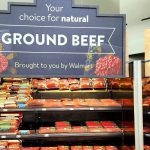
A White House initiative to lower grocery store beef prices through increased foreign imports has failed to bring relief to consumers while driving down returns for American cattle producers, according to the American Farm Bureau Federation (AFBF).
In August, President Trump announced plans to import an additional 300,000 metric tons of foreign-raised beef to curb consumer prices at retail meat counters. However, market tracking by AFBF economists reveals the measure has had virtually no effect on grocery bills.
“We now know that strategy isn’t working,” AFBF President Zippy Duvall says.
Economists with the organization tracked beef prices across more than 40 retail locations nationwide since Labor Day. Their findings show retail costs remain near record levels, even as farm-gate cattle prices dropped sharply on the news of incoming imports.
“On average, prices have fallen only 16 cents per pound. Most prices are unchanged,” Duvall says. “Families are still facing historically high prices, and the threat of increased imports over 90 days caused a sharp drop in the cash paid to farmers and ranchers for their cattle.”
When the administration first proposed the tariff and quota adjustments, Duvall called the move a “gut punch” to cattle producers’ bottom lines. Now, the organization is once again asking the administration to abandon the policy and instead address domestic supply challenges.
“We’re renewing our call to the President to reverse course on his plan to import foreign-raised beef,” Duvall says. “Instead, the administration should focus on long-term solutions that support rebuilding the U.S. herd.”
According to data from USDA, the 2026 U.S. cattle inventory stands at 86.2 million head, marking the smallest domestic herd size since 1951.