
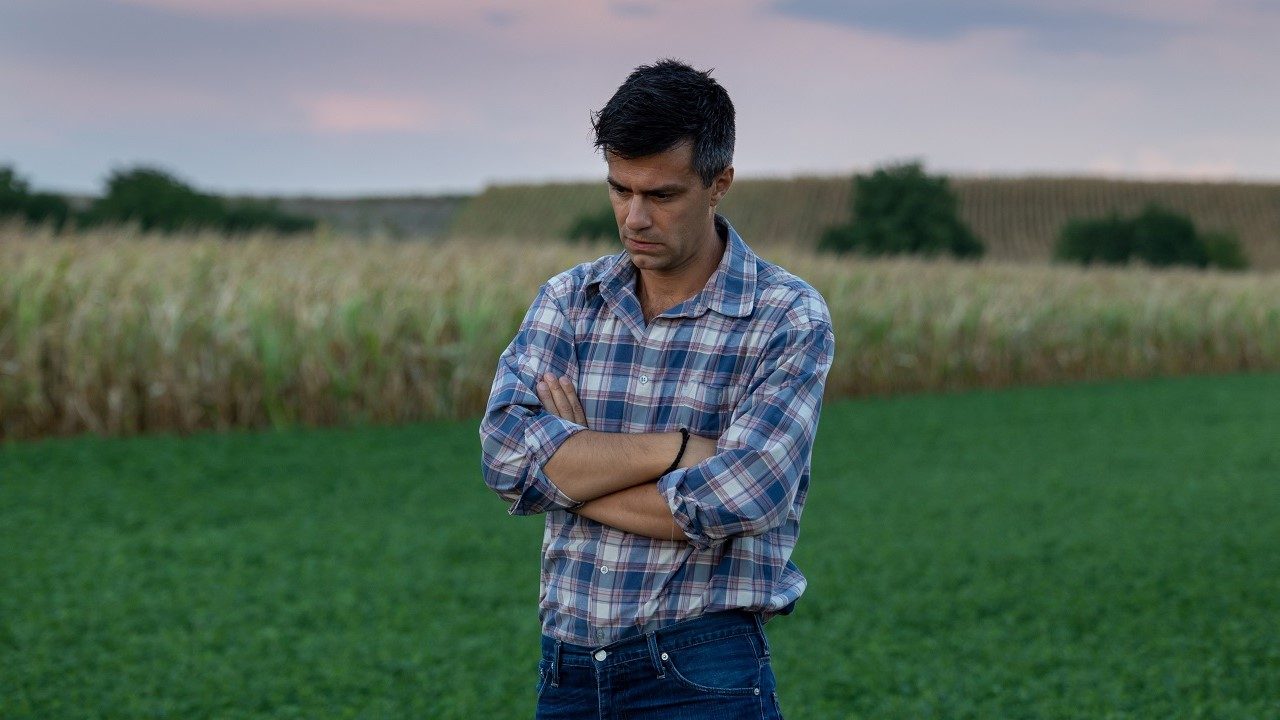
A bipartisan group of lawmakers is moving to shine a brighter light on one of agriculture’s most persistent — and often unspoken — challenges: mental health.
U.S. Senators Deb Fischer (R-NE) and Michael Bennet (D-CO) have introduced a resolution designating Friday, May 29, 2026, as Mental Health Awareness in Agriculture Day, an effort aimed at elevating the pressures facing farmers, ranchers and agricultural workers — and encouraging more to seek help.
“Farmers, ranchers, and ag workers have some of the toughest jobs in the country,” Fischer said, pointing to a struggling farm economy that is compounding stress across rural America. Bennet echoed that concern, citing the toll of drought, rising costs and market volatility on producers in his home state and beyond.
The measure, co-sponsored by more than two dozen senators from both parties — including Senate Agriculture Committee leaders John Boozman and Amy Klobuchar — underscores a growing recognition in Washington that the mental health crisis in agriculture has reached a critical point.
A companion resolution has been introduced in the House by Reps. Mike Bost and Kim Schrier.
Behind the bipartisan show of support lies a stark reality: Farmers face a suicide rate 3.5 times higher than the general population, according to the National Rural Health Association, while farmworkers experience suicide rates significantly above those in other occupations. At the same time, fewer than 2 percent of Americans — roughly 3.37 million producers — are responsible for feeding, fueling and clothing the nation and much of the world.
The resolution highlights the unique pressures of agricultural life, from unpredictable weather and labor shortages to fluctuating commodity prices and the challenges of passing farms on to the next generation. It also points to federal resources such as the U.S. Department of Agriculture’s Farm and Ranch Stress Assistance Network, which connects producers with mental health support services.
Agriculture groups say the designation is long overdue.
“Farmers and ranchers are facing immense stress right now. Unfortunately, they often don’t seek the help they need,” said Duane Simpson of the National Council of Farmer Cooperatives, one of several industry organizations backing the measure.
Others emphasized the cultural barriers that have long kept mental health conversations at bay in rural communities.
“This is certainly a challenging time in agriculture, with pressure building on farmers and ranchers every day,” said Zippy Duvall, president of American Farm Bureau Federation. “It’s more important than ever before to have conversations about rural mental health.”
That message is increasingly being reinforced on the ground. In Indiana, educators with Purdue Extension’s Farm Stress Team are working directly with farmers and rural communities to normalize those conversations — and to intervene before stress becomes crisis.
“There’s no shame in reaching out for help,” said Abby Paul, a Purdue Extension educator who works with farmers navigating financial strain, long hours and the uncertainty that defines modern agriculture. “Even just talking to a trusted family member or someone around you can make a difference.”
The effort extends beyond today’s producers. Educators are also developing mental health programs tailored to farm youth, who often face distinct pressures tied to family operations and generational expectations.
The stakes can be life-or-death. Advocates point to the national 988 Suicide and Crisis Lifeline as a critical resource, offering immediate support via call or text — including for those in rural communities who may feel isolated or reluctant to seek help locally.
Lawmakers behind the resolution say the goal is not only to raise awareness for a single day, but to chip away at the stigma that has long surrounded mental health in agriculture.