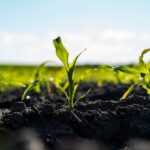
Final corn yield when this growing season is complete and harvest begins is determined by conditions throughout the season, but agronomists say roughly the first month after the seed goes in is a very critical time.
Channel® Seed Technical Agronomist, Jeff Lakin says the first 30 days is when corn establishes its root system, determines early plant structure, and begins setting the foundation for yield potential.
During that window, “Stressors like cold soils, excess moisture, or delayed emergence can limit growth before the crop ever reaches visible vegetative stages,” he explains. “It’s been proven that challenges early in the season often have a lasting impact and are difficult to fully recover from later, even if conditions improve. A strong start helps corn better develop and withstand stress during key reproductive stages later.”
Soil conditions at planting, especially soil temperature and moisture, do affect early emergence and stand uniformity. There have been less than desirable conditions this year.
“Soil temperature and moisture play a major role in how quickly and evenly corn emerges after planting,” said Lakin. “Cold or saturated soils can slow germination, reduce seedling vigor, and increase the risk of uneven emergence across the field. When plants emerge at different times, earlier plants have the advantage, while later-emerging plants often fall behind in growth. Uneven corn emergence means some plants are always playing catch-up, and that early gap can cost yield even if the stand looks fine later in the season.
Seed quality, like vigor and germination potential, also plays an important role during the first 30 days. Seed quality and vigor influence how well a seed performs under less-than-ideal early-season conditions. Seed with strong vigor tends to come out of the ground faster and more evenly, especially when early conditions aren’t ideal.
When corn comes up evenly, plants tend to grow more consistently and don’t end up competing as much with each other. While field conditions matter, seed vigor can help reduce early-season stress and improve stand consistency.
Proper planting depth and good seed-to-soil contact help seeds access moisture during germination. Compacted or poor soil structure can restrict early root growth and limit water and nutrient uptake. Inconsistent stands often lead to uneven plant growth, potentially impacting how efficiently the crop uses available resources. Strong stand establishment early in the season helps support healthier root systems and more resilient plants later on.
When there is uneven emergence or early stress in the first 30 days, the first step is to make sure you observe that early-season crop performance.
“If a problem is identified, determine whether the issue is isolated or affecting the whole field,” said Lakin. “Look for patterns related to soil type, moisture, planting timing, or equipment setup. These clues can explain what’s happening. Farmers can work with their local Channel SeedPro or Technical Agronomist to interpret these observations and make in-season decisions that protect yield potential while refining strategies for future planting.”
For more advice on specific seasonal challenges, farmers can visit channel.com/agronomy to learn more.
READ AND FOLLOW PESTICIDE LABEL DIRECTIONS, GRAIN MARKETING, AND OTHER STEWARDSHIP PRACTICES.