
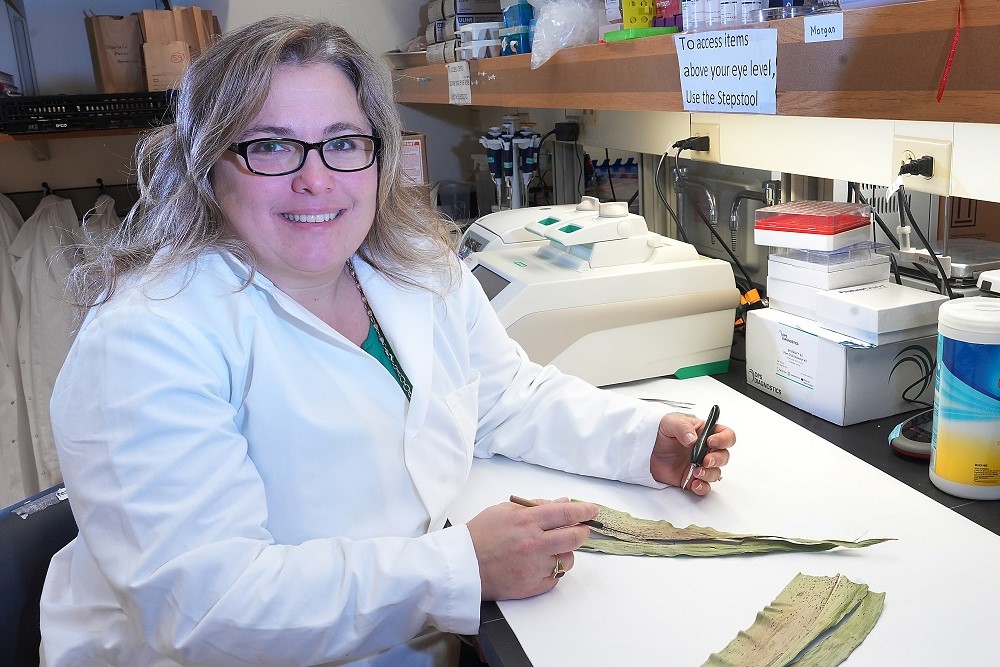
As Indiana farmers move deeper into planting season, crop disease experts at Purdue University are urging growers to take advantage of an expanding network of digital monitoring tools designed to track potentially devastating outbreaks in corn, soybean and wheat fields before they spread.
Dr. Darcy Telenko, associate professor and Extension plant pathologist in the Department of Botany and Plant Pathology at Purdue University, says there is a broad effort by university researchers and national agricultural organizations to monitor emerging crop diseases across the Midwest and beyond, reflecting growing concern over the economic risks posed by fungal infections and other plant pathogens in major commodity crops.
The Purdue Field Crop Pathology Team plans to provide regular disease updates throughout the 2026 growing season using a combination of state and national tracking systems, including Purdue’s field crop pathology website and the Crop Protection Network Crop Lookout Tool. The network aggregates reports from researchers and extension specialists across North America to map disease movement in near real time.
Among the diseases being monitored are tar spot and southern rust in corn, Fusarium head blight and stripe rust in wheat, and soybean diseases such as red crown rot and soybean rust — illnesses that can sharply reduce yields if left untreated.
The warning comes as farmers face mounting financial pressure from volatile commodity prices, elevated input costs and increasingly unpredictable weather conditions, all of which can intensify disease risks during the growing season.
Telenko said national forecasting systems now allow growers to monitor some of the country’s most economically damaging crop diseases before symptoms become widespread in Indiana fields. Purdue researchers also continue to publish fungicide efficacy tables and crop risk assessment tools intended to help producers make treatment decisions more efficiently.
The university said it will continue processing corn and soybean disease samples submitted by Indiana farmers at no cost during the season, with funding support provided through commodity checkoff programs backed by the Indiana Corn Marketing Council and the Indiana Soybean Alliance.
Samples can be submitted to Purdue’s Plant and Pest Diagnostic Laboratory in West Lafayette, where specialists analyze diseased plant tissue to help identify outbreaks and recommend management strategies.
Agricultural scientists have increasingly emphasized early detection as climate variability and changing pathogen pressures create new challenges for crop production across the Corn Belt. Researchers say digital surveillance systems and collaborative disease mapping efforts are becoming an increasingly important part of modern farm management as growers seek to protect yields while minimizing unnecessary pesticide applications.
CLICK HERE for Purdue University’s field crop pathology website.
CLICK HERE for the Crop Protection Network Crop Lookout Tool.