
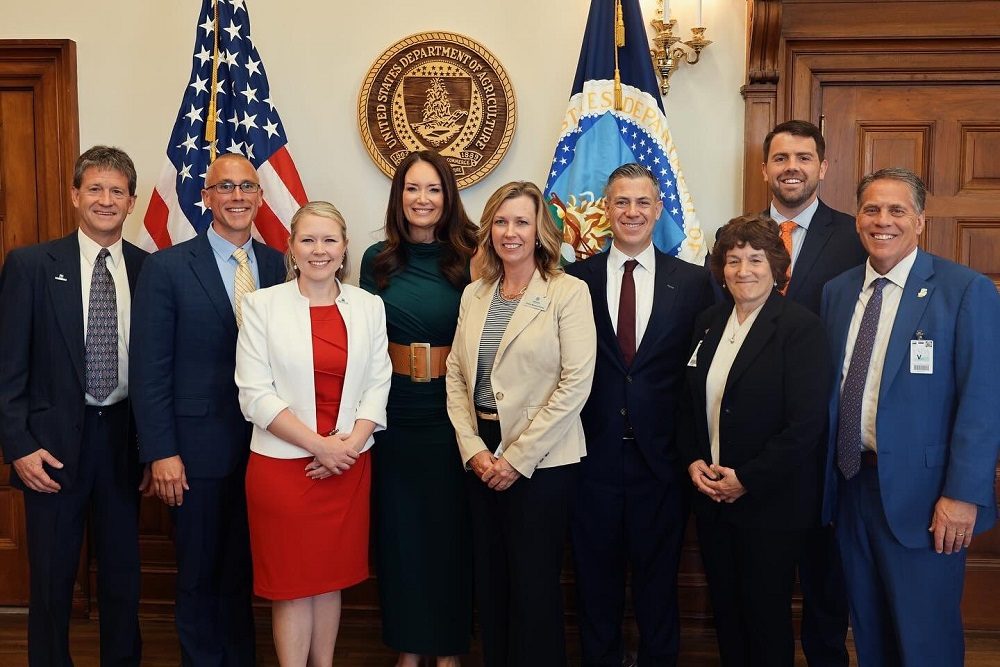
The U.S. Department of Agriculture is moving a cornerstone of its nutrition assistance portfolio to Indianapolis, a decision federal officials and Indiana leaders are framing as both a structural overhaul and a geographic shift away from Washington, D.C.
Under a sweeping reorganization announced Thursday, USDA will relocate leadership and staff for the Supplemental Nutrition Assistance Program (SNAP) to Indianapolis as part of the creation of a new Food and Nutrition Administration. The move is one piece of a broader effort to disperse roughly 2,600 employees from Washington, D.C., into regional hubs across the country, including Dallas, Kansas City, Raleigh and Denver.
Agriculture Secretary Brooke Rollins said the restructuring is aimed at improving service delivery and aligning federal nutrition programs more closely with the states and communities that administer them.
“This reorganization is designed with those commitments in mind,” Rollins said, pointing to goals of enhancing customer service, reducing bureaucratic complexity and strengthening oversight of the nation’s 16 nutrition assistance programs.
The newly formed Food and Nutrition Administration will replace USDA’s Food, Nutrition and Consumer Services division, which has operated for years without a Senate-confirmed undersecretary. Deputy Secretary Stephen Vaden described the change as “long overdue,” saying it will streamline management and expand the agency’s ability to combat fraud, waste and abuse.
Indianapolis will serve as the central hub for SNAP, a program that assists roughly 42 million Americans with monthly grocery costs. While a small policy and regulatory staff will remain in Washington, most program operations will shift closer to state partners. Other major nutrition programs will be based in different cities, with child nutrition programs moving to Dallas and additional support functions spread across multiple regional offices.
The decision marks a significant win for Indiana officials who have spent months lobbying for a larger federal presence in the state.
Sen. Jim Banks (R-Ind.) said he worked alongside state agriculture leaders to make the case that Indiana’s deep ties to farming, food production and ag technology made it a natural fit.
“This is a huge win for the state of Indiana and a bold move for the future of American agriculture,” said Banks. “Over the past year, I have worked closely with Hoosier agriculture leaders to relocate critical USDA programs to Indiana. Our state has every corner of the ag, food, and AgTech industries represented. We’re ready to deliver on the Trump administration’s mission of getting government out of DC and closer to the people it serves. I am grateful to Secretary Rollins and President Trump for their leadership in moving SNAP to Indianapolis and I look forward to more announcements in the future.”
Gov. Mike Braun (R-Ind.) also praised the move, emphasizing the state’s collaboration with federal officials.
“Big win for Indiana! My administration has worked hard with USDA to show what a great place Indiana is to live and do business. This move reflects our strong partnership with the Trump administration and our commitment to commonsense reform that delivers for Hoosiers. Welcome to Indiana, USDA!” said Braun.
Industry leaders also emphasized the symbolic and practical significance of placing SNAP in a state known for its agricultural output and research institutions. Christy Wright, president and CEO of AgriNovus Indiana, pointed to the region’s growing food and health innovation ecosystem and proximity to major research institutions such as Purdue University and Indiana University School of Medicine.
“SNAP addresses one of the most urgent challenges facing American families: food insecurity. Indianapolis puts SNAP in the heart of American agriculture alongside Purdue, one of the world’s top agricultural universities; IU’s medical school; and a growing food and health innovation ecosystem. We look forward to working with USDA to strengthen this vital program and deepen the connection between agriculture, food, and health.”
USDA officials said the transition will not disrupt benefits for participants and that program operations will continue uninterrupted during the shift. The department has not yet specified how many employees will ultimately relocate to Indianapolis or when the hub will be fully operational, though the changes are expected to begin later this year.
The reorganization reflects a broader push within the federal government to decentralize operations, reduce administrative layers and place agencies closer to the populations they serve — a strategy supporters argue will improve efficiency, though it may also present logistical challenges as thousands of employees prepare to move.