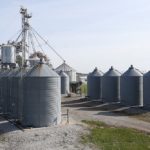

With harvest winding down across Indiana, attention is turning toward protecting stored grain, managing pests and preserving crop quality. Purdue University is offering farmers and agricultural professionals an opportunity to strengthen those efforts during its 2026 Grain Post-Harvest & Recertification Workshop.
The workshop is scheduled for Thursday, Dec. 10, from 8:30 a.m. to 5 p.m. ET at the Beck Agricultural Center, 4550 U.S. 52 West, in West Lafayette.
The program is designed for Indiana farmers, commercial grain storage handlers, pest management professionals and food-processing quality-control managers looking to improve post-harvest management practices.
Participants will focus on strategies to manage post-harvest systems more effectively, reduce pest problems, select appropriate pest-control measures and implement integrated pest management practices.
The workshop also provides Indiana’s certified advisers with a final opportunity this year to earn continuing education credits (CCHs). Those credits could make the program particularly valuable for agricultural professionals looking to complete annual certification requirements before the end of 2026.
Registration is $140 per person, and Purdue encourages participants to register by Dec. 3 at 5 p.m. ET.
Farmers and agricultural businesses can register online at https://cvent.me/7YDzM1.
The workshop will be held at the Beck Agricultural Center, located on Purdue’s West Lafayette campus. Registration and program information is available through Purdue University Extension.
For registration assistance, contact Purdue’s Education Store at 765-494-6794 or edustore@purdue.edu. Additional workshop questions can be directed to Purdue DTC at 765-494-4783 or DTC@purdue.edu.
The deadline to request refunds is Dec. 3. Cancellations are subject to a 12% registration fee plus a $5 processing fee, and no refunds will be issued after that date.
For Indiana farmers and grain handlers preparing for the months ahead, the workshop offers an opportunity to strengthen grain-storage management, protect crop quality and prepare for the next growing season while completing important certification requirements.