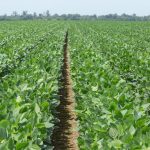
The U.S. Department of Agriculture’s latest record soybean forecast is pointing to increased export potential, as larger domestic supplies could help the United States meet global demand.
According to USDA’s World Agricultural Outlook Board, total U.S. soybean supplies are forecast to increase by 17 million bushels, with ending stocks projected at 315 million bushels. The larger supply outlook could provide additional opportunities for U.S. soybean exporters in the months ahead.
Increased U.S. exports are also expected to help offset declines in shipments from other major soybean-producing regions, supporting the United States’ position in the global marketplace.
The World Agricultural Outlook Board also raised its forecast for global soybean ending stocks by 300,000 metric tons. Higher projected ending stocks in the United States and Brazil are expected to more than offset lower stocks in Argentina.
Despite the increase in available supplies, international soybean markets will continue to be shaped by production levels, export competition, and demand from major importing countries.
But while the supply outlook offers potential opportunities for U.S. soybean producers, crop health remains another concern across the Midwest.
Reports of red crown rot in soybeans across eight Midwestern states have prompted calls for producers to closely inspect their fields. Red crown rot is a soilborne fungal disease that can affect soybean roots and stems and may cause yellowing, wilting, premature plant death, and reduced yields.
Producers are encouraged to scout fields carefully, paying particular attention to field edges and areas where symptoms first appear. Suspected cases should be examined closely, as red crown rot symptoms can resemble other soybean diseases and plant health problems.
The disease can be confirmed by examining affected plants for characteristic reddish discoloration near the base of the stem and by submitting samples to a plant diagnostic laboratory when necessary. Early identification can help producers and crop advisers assess the extent of an outbreak and make informed management decisions.
As farmers evaluate this year’s crop and prepare for the next growing season, the latest USDA projections highlight the importance of both international market conditions and crop health. While larger supplies could support U.S. soybean exports, protecting yield potential remains a priority for producers across the Corn Belt.