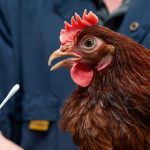
Fall migration is underway, and federal officials are reminding livestock and poultry producers to remain on alert for Highly Pathogenic Avian Influenza, commonly known as bird flu.
“We’re at the beginning of the fall migratory season. And this time of year, we always anticipate an uptick just as migratory birds are moving through the environment. They’re a natural vector to transmit and spread High-Path throughout the country and every single flyway in the United States.” According to USDA Undersecretary Dudley Hoskins.
He says new detections of the virus continue to surface in both poultry flocks and dairy operations, raising concerns as migratory birds move through the country.
“The influenza, it can touch and impact a lot of different species. We’ve seen it in zoo animals. We’ve seen it obviously in wildlife,” says Hoskins
Hoskins encourages producers to closely monitor their animals for signs of illness, limit unnecessary visitors and vehicle traffic, and prevent contact between livestock or poultry and wild birds whenever possible.
He adds, “that’s a place where we really ask our producer partners to help educate, not just the people that come onto their premises about biosecurity, but really people outside the farm gate and what they can do to minimize or reduce inadvertent spread or transmission of High-Path.”
Producers who notice unusual illness or increased deaths in their herds or flocks should contact their veterinarian or appropriate animal health officials promptly.
With fall migration underway, the USDA says continued vigilance and strong biosecurity practices remain critical to protecting the nation’s livestock and poultry industries.