

As federal and state officials intensify efforts to contain an outbreak of New World screwworm in Texas, Canada has temporarily halted imports of livestock from the state, injecting new uncertainty into a North American cattle industry already grappling with historically tight supplies.
The Canadian Food Inspection Agency announced Friday that livestock originating from Texas, or animals that have been present in the state within 21 days of crossing the border, will not be permitted to enter Canada. The restrictions were imposed after U.S. officials confirmed multiple cases of New World screwworm in South Texas, marking the parasite’s return to the United States after decades of eradication.
The latest development came Monday, when the U.S. Department of Agriculture confirmed two additional cases: one involving a calf in La Salle County and another involving a dog in Andrews County that had reportedly recently been in Mexico. The new detections bring the total number of confirmed U.S. cases to four within the past week.
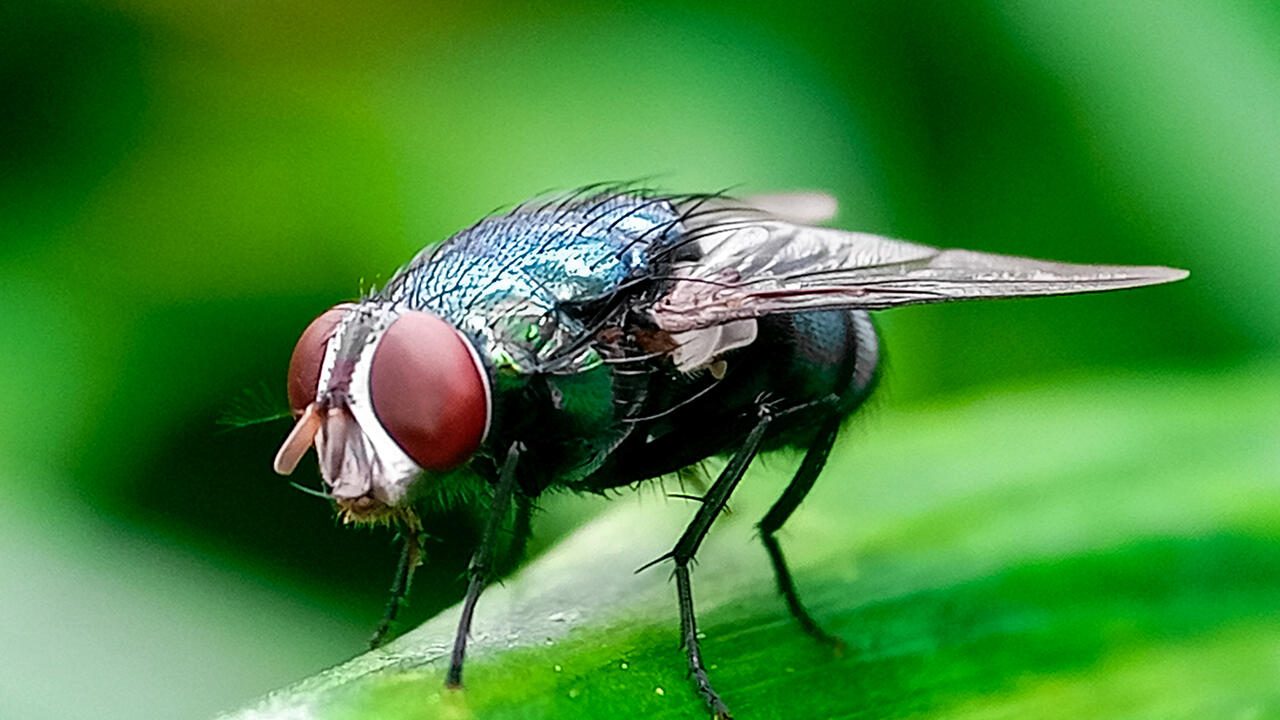
New World screwworm is the larval stage of a parasitic fly whose offspring feed on the living tissue of warm-blooded animals. Infestations can cause severe wounds, illness and death in livestock, wildlife, pets and, in rare instances, humans.
Although the outbreak has triggered concerns throughout the livestock sector, trade analysts say Canada’s restrictions are unlikely to cause major disruptions in the near term.
“My initial read is that there should not be a significant impact,” said Erin Borror, vice president of economic analysis for the U.S. Meat Export Federation. She believes that Canada’s restrictions should only have a limited direct impact on those producers from Texas.
Still, she said the larger question may involve additional requirements for moving cattle across international borders.
“Probably, more the question is, what additional documentation is going to be needed to cross cattle—period,” she says.
Canada characterized the restrictions as a precautionary measure intended to prevent the parasite’s introduction during the summer months, when climatic conditions could temporarily support the insect’s survival. Officials noted that Canada’s colder winters make long-term establishment of the fly unlikely.
The United States and Canada maintain one of the world’s most integrated livestock markets, with hundreds of thousands of cattle moving across the border annually for breeding, feeding and processing. Any new paperwork requirements or inspection protocols could create logistical complications even if the direct impact of the Texas restrictions remains limited.
Federal officials have emphasized that the outbreak poses no threat to consumers or the food supply.
“The U.S. food supply remains safe,” USDA said Monday, noting that New World screwworm does not infest meat or other food products and that infected animals would be identified during inspection before entering commerce.
Borror echoed that assessment.
“There is no food safety issue. This is a production issue, a rancher issue, for us to try to manage as producers, but as far as the consumer and the trading partner, it never makes it into the food supply period,” Borror says.
Instead, the greatest economic risks fall on livestock producers, particularly cattle ranchers in Texas, where herd numbers have yet to fully recover from years of drought-driven liquidation.
“We have yet to really get a herd rebuild underway on the cattle side, so any additional production issues, productivity issues, and related challenges are unwelcome. We never want additional producer challenges—especially in this fragile time where we really need to get the herds rebuilt,” she says.
The outbreak has prompted an aggressive response from federal and state authorities. USDA and the Texas Animal Health Commission said 75 personnel are currently deployed in response efforts, supported by hundreds of additional staff involved in diagnostics, logistics and aerial operations.
Authorities have established quarantine and surveillance zones around confirmed cases, expanded trapping efforts and activated a sterile-fly dispersal facility at Moore Air Base in Edinburg, Texas. The strategy relies on releasing millions of sterile male flies into affected areas, a technique credited with eliminating the pest from the United States in the 1960s. Because female screwworm flies typically mate only once, breeding with sterile males eventually causes local populations to collapse.
USDA officials say aerial dispersal flights from the Texas facility are beginning this week as part of a broader effort to prevent the parasite from becoming established in the United States.
Whether those measures can stop the pest’s advance remains one of the most pressing questions facing livestock producers across North America. For now, officials are urging ranchers, veterinarians and pet owners to closely monitor animals for suspicious wounds or signs of infestation while maintaining confidence that the outbreak can be contained before it spreads beyond the current control zone.
“We have defeated New World screwworm before,” USDA Under Secretary Dudley Hoskins said in a statement Monday, “and we will do it again.”
CLICK BELOW for Hoosier Ag Today’s radio news report:

