
The discovery of additional New World screwworm cases in Texas and the first confirmed infection in neighboring New Mexico has intensified a public dispute between Texas Agriculture Commissioner Sid Miller and Agriculture Secretary Brooke Rollins over how to contain one of the most destructive livestock pests in U.S. history.
The latest detections, announced Monday, include infestations in Gillespie and Andrews counties in Texas and a dog in Lea County, N.M., according to state and federal officials. The findings follow last week’s confirmation of the parasite in a calf in South Texas, marking the pest’s first appearance in the United States in decades.
The spread has heightened concerns among ranchers, livestock producers and government officials who fear the flesh-eating parasite could gain a stronger foothold in the nation’s largest cattle-producing state.
“We’ve seen detections in four counties and two states. This should set off alarm bells across the country,” Miller said in a statement. “Every day we delay gives this pest another opportunity to spread.”
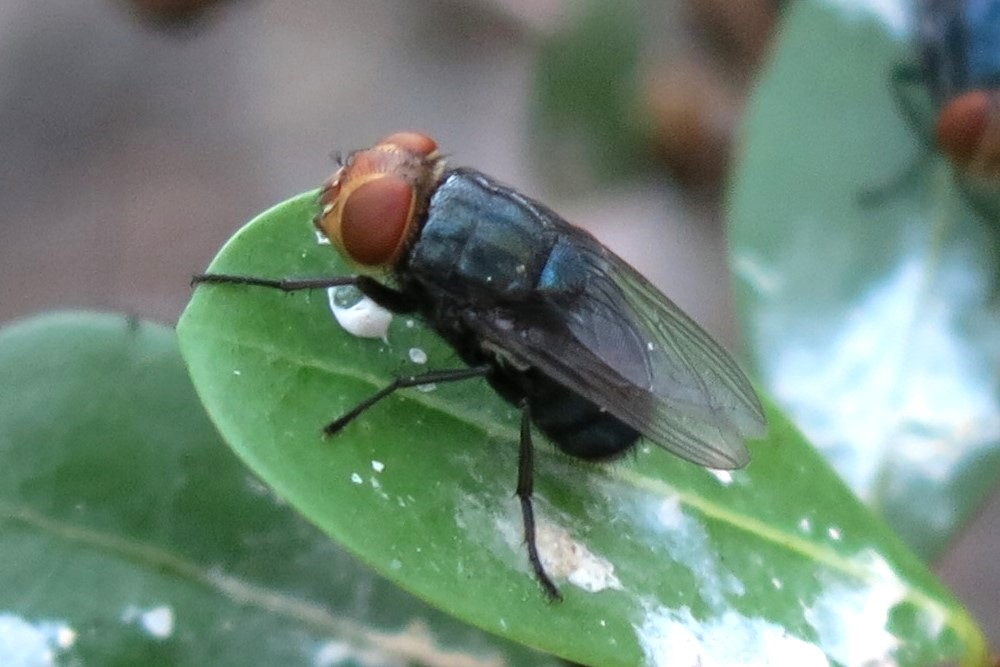
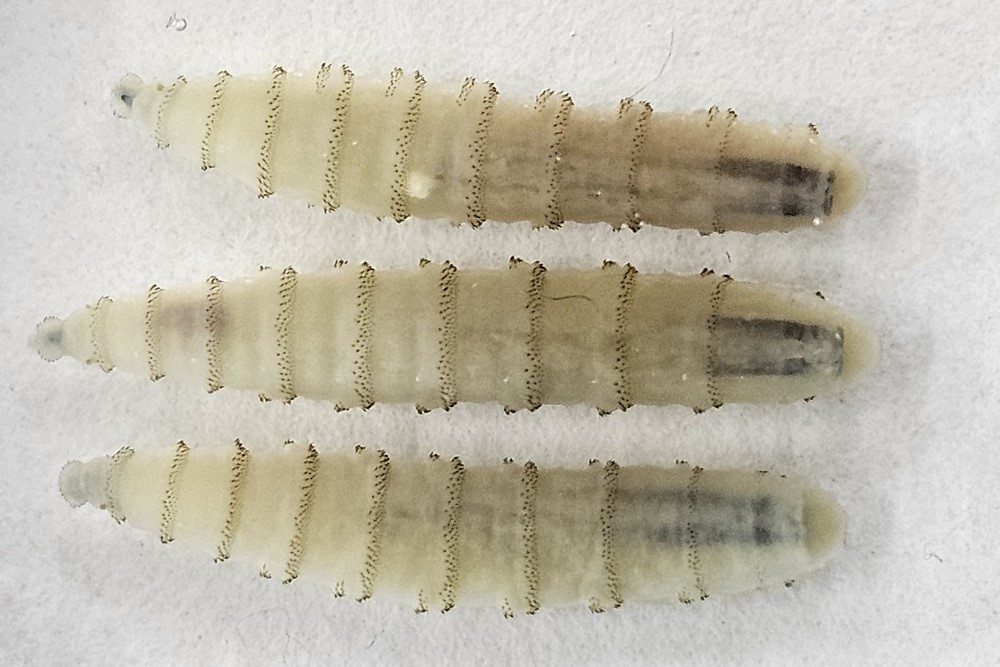
The New World screwworm, a fly whose larvae feed on the living tissue of warm-blooded animals, was eradicated from the United States in the 1960s and 1970s through a massive federal campaign centered on the release of sterile male flies. The parasite can cause severe wounds, suffering and death in livestock, wildlife and pets if left untreated.
Federal officials say they have been preparing for the pest’s northward advance since outbreaks were reported in Central America in 2023. The U.S. Department of Agriculture has suspended imports of Mexican cattle, expanded surveillance efforts and released millions of sterile flies near infestation sites to prevent reproduction.
But Miller has become one of the most vocal critics of the federal response, arguing that USDA is relying too heavily on sterile-fly releases while failing to deploy additional suppression measures.
For more than a year, Miller has urged federal officials to revive what he calls the Screwworm Adult Suppression System, or SWASS, a USDA-developed program that uses bait treated with insecticides to kill fertile adult flies.
“SWASS helped eradicate screwworm from the United States once before, and it can help stop this outbreak before it reaches even deeper into Texas,” Miller said.
Miller has repeatedly called on the Trump administration to authorize a large-scale deployment of the system along the U.S.-Mexico border, expand surveillance operations and declare the outbreak a national agricultural emergency.
His criticism escalated last week when he suggested that ranchers facing quarantine restrictions might be reluctant to report infections.
“If I get a screwworm on my place, I’m going to treat my animal and I’m not telling anybody because I don’t want to be quarantined,” Miller said during remarks to Texas reporters. He argued that movement restrictions on infected premises could discourage reporting by producers.
The comments drew a sharp rebuke from U.S. Agriculture Secretary Brooke Rollins, who warned that failing to report cases could undermine efforts to contain the parasite.
“That is a very unserious comment from a perhaps unserious AG commissioner,” Rollins said Monday during a news conference at a federal research facility in Kerrville, Texas. “It is also a very dangerous suggestion.”
Rollins said the federal government has been tracking the pest’s movement for years and is moving aggressively to contain the outbreak.
“This is a serious threat to livestock and wildlife, but they haven’t caught us off guard,” she said. “We’ve been tracking this pest for a long time, and we have fought before, and we will do so again.”
Federal officials announced Monday that a new sterile-fly production facility in South Texas remains on an accelerated timeline and is expected to begin producing hundreds of thousands of additional sterile flies by next summer.
Rear Adm. Michael Schmoyer, associate administrator of USDA’s Animal and Plant Health Inspection Service, defended the agency’s efforts, saying officials are responding faster than in previous outbreaks and urging producers to remain vigilant.
On Monday, the administration also named John Bellinger as senior adviser for New World screwworm preparedness.
The dispute comes as memories remain vivid of previous screwworm outbreaks that inflicted severe losses on the livestock industry. One outbreak in the 1970s reportedly affected nearly 1.5 million Texas cattle before eradication efforts succeeded.
Texas Gov. Greg Abbott has publicly backed the federal containment strategy, emphasizing producer education, surveillance and rapid detection.
“There’s a well established prevention and solution for the spread of the screwworm,” Abbott said Monday. “It’s critical to stay vigilant and stay informed.”
For now, agricultural officials continue to urge ranchers, veterinarians and pet owners to report suspicious wounds or signs of infestation immediately, warning that early detection remains one of the most important tools available as authorities race to prevent a broader outbreak.
As the number of confirmed cases grows, the debate over how best to fight the parasite is likely to intensify. But officials on both sides agree on one point: the stakes are enormous. A widespread outbreak in Texas could threaten billions of dollars in agricultural production and place livestock, wildlife and pets across the region at risk.