For 35 years, a little-known federal program rooted in the farm fields of the Midwest has quietly helped thousands of Americans defy one of agriculture’s harshest realities: injury. Now, that effort is drawing national recognition.
The U.S. Department of Agriculture’s AgrAbility program — led by the National AgrAbility Project at Purdue University — has been named to Forbes’ Accessibility 200 list, placing it alongside global corporations such as Amazon, Microsoft, Nike and Sony. The annual list recognizes organizations advancing accessibility — broadly defined as ensuring people with disabilities have equitable access to work, information and everyday experiences.
For AgrAbility, the recognition underscores a mission that began not in a boardroom, but on a farm in rural Indiana.
Farming remains one of the most dangerous professions in the United States, with some of the highest rates of disabling injuries of any industry. Those injuries can abruptly end careers and disrupt livelihoods built over generations. AgrAbility was created to change that trajectory — helping farmers and ranchers adapt rather than leave the profession altogether.
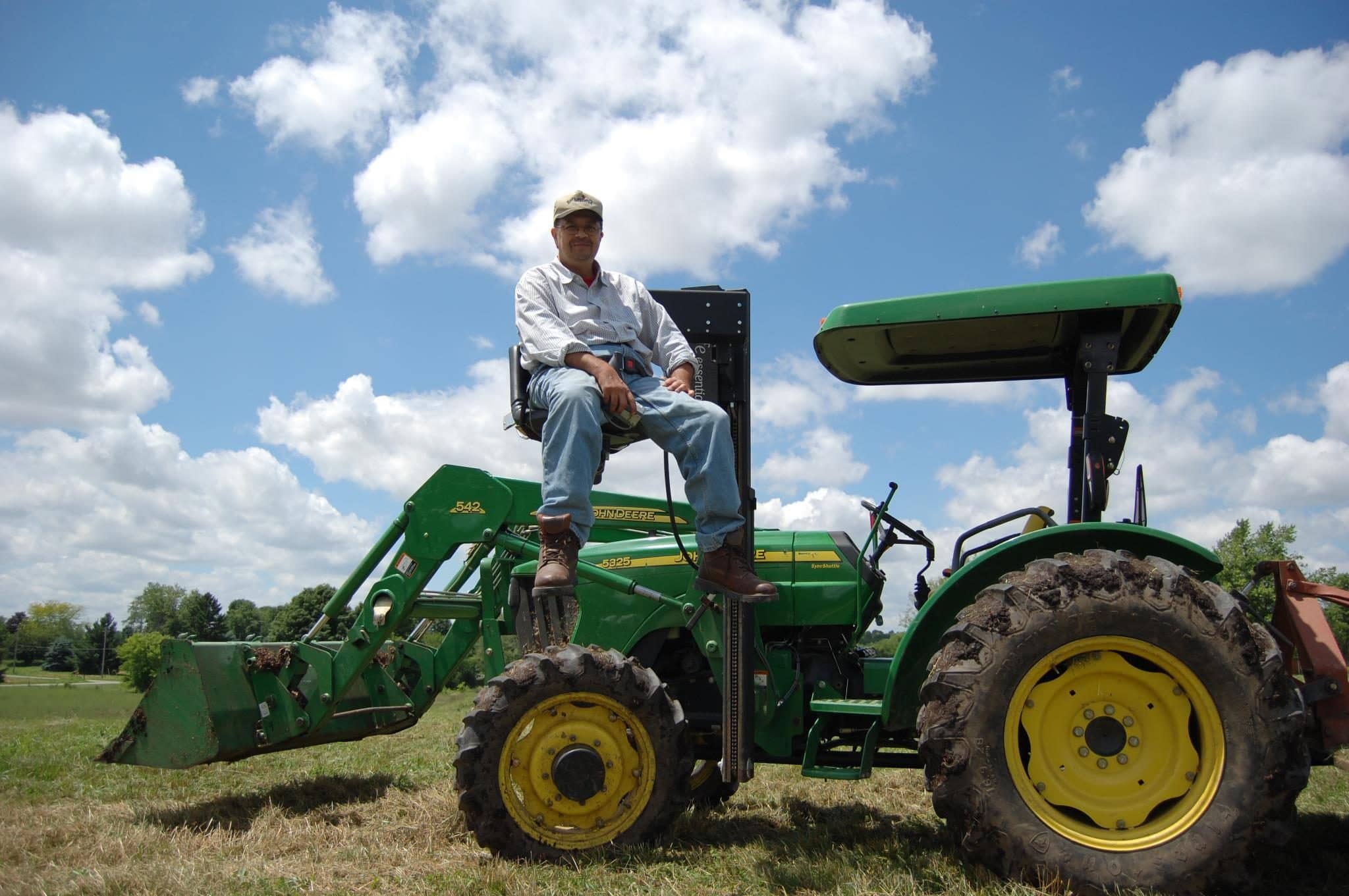
The program’s origins trace back to 1979, when Dr. Bill Field, then a young agricultural engineer, was approached by an Indiana farmer paralyzed in a vehicle accident. The farmer, unable to climb onto his tractor, faced the loss of his independence — and his livelihood.
Field and his colleagues improvised. Using a lift salvaged from a wrecked school bus, they modified the farmer’s tractor, allowing him to return to the field.
“I could just see him sitting up in his seat with a renewed sense of purpose and pride,” Field later recalled of that first ride across the farm. The moment became a catalyst, eventually leading to the creation of Purdue’s Breaking New Ground Resource Center and, in 1990, the National AgrAbility Project through congressional funding in the Farm Bill.
Today, AgrAbility operates in 21 states, serving farmers through a mix of federal support, university partnerships and nonprofit collaborations. The program has assisted more than 13,600 agricultural workers nationwide, offering everything from customized equipment modifications to on-farm consultations and health-related support.
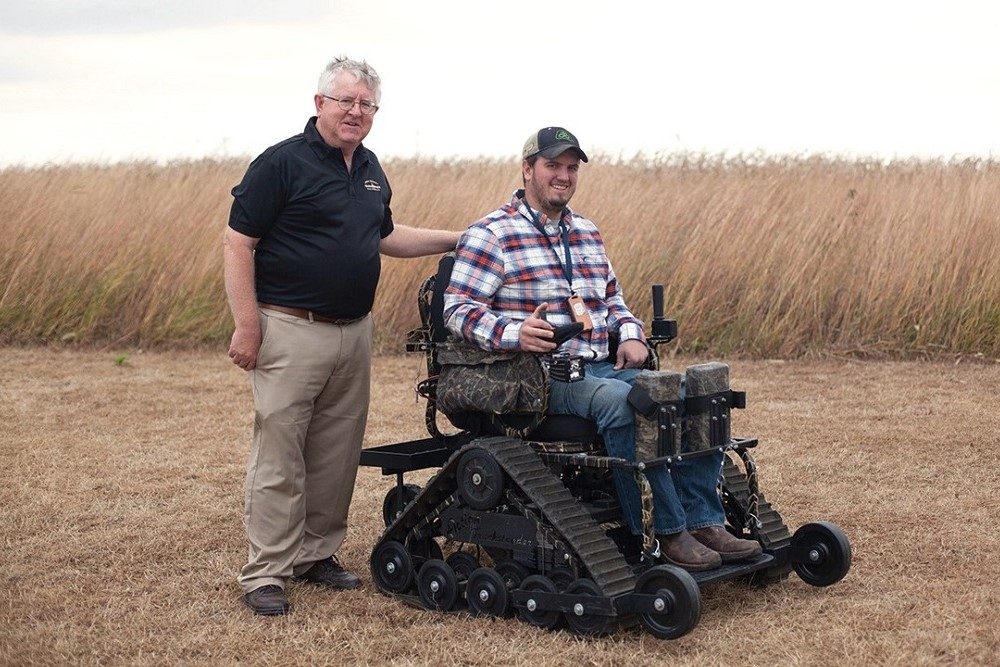
Its work is often highly individualized. For some farmers, that might mean retrofitting machinery with lifts or hand controls. For others — particularly older farmers coping with declining mobility — it may involve adapting buildings, tools or daily routines to extend their working years.
“The average age of farmers … is about 57 or 58 years old,” said Ed Sheldon, a Purdue Extension specialist who works with AgrAbility clients. “Farmers aren’t very good at retiring either. They want to keep going into their 70s, 80s — even beyond.”
That determination, program leaders say, is central to AgrAbility’s impact.
“It’s encouraging that Forbes recognizes the importance of accessibility in all areas of life, including agriculture,” said Paul Jones, manager of the National AgrAbility Project. He noted that the recognition comes as the program marks its 35th anniversary, calling it a testament both to staff efforts and to “the resilience of the farmers we work with.”
In a recent publication marking that milestone, AgrAbility highlighted stories of farmers who, through adaptive technologies and support, were able to remain in their professions and sustain their communities.
The program’s inclusion on the Forbes list for a second consecutive year reflects a growing awareness that accessibility challenges extend far beyond urban infrastructure and office environments — into places like barns, machine sheds and open fields.
For many in agriculture, the stakes are deeply personal. A disabling injury can mean not just the loss of a job, but the loss of identity, independence and a way of life.
AgrAbility’s premise is simple: with the right tools and support, that loss is not inevitable.