
A federal appeals court this week upheld Florida’s ban on fake meat delivering a setback to companies and advocates seeking to expand the emerging industry despite federal approval of the products.
The ruling affirms a 2024 state law prohibiting the sale of meat grown from animal cells, placing Florida among a growing number of states that have moved to restrict cultivated protein. Supporters of the ban argue the science behind the products remains unsettled and that policymakers should proceed cautiously, while agricultural groups have also raised concerns about how the products are marketed to consumers.
“Lab-grown meat is an experimental product with many unknowns because there is a lack of long-term health studies,” said Will Coggin, research director at the Center for the Environment and Welfare. “Florida is joined by many other states that share concerns about petri dish protein, and it’s a sensible policy that keeps pace with consumer expectations.”
Groups representing livestock producers, including the National Cattlemen’s Beef Association, have pushed for restrictions on fake meat, arguing that allowing the products to be sold alongside traditional beef could create confusion for consumers. Industry advocates say clearer distinctions — or outright bans — are necessary to ensure shoppers understand the difference between conventionally produced meat and lab-grown alternatives.
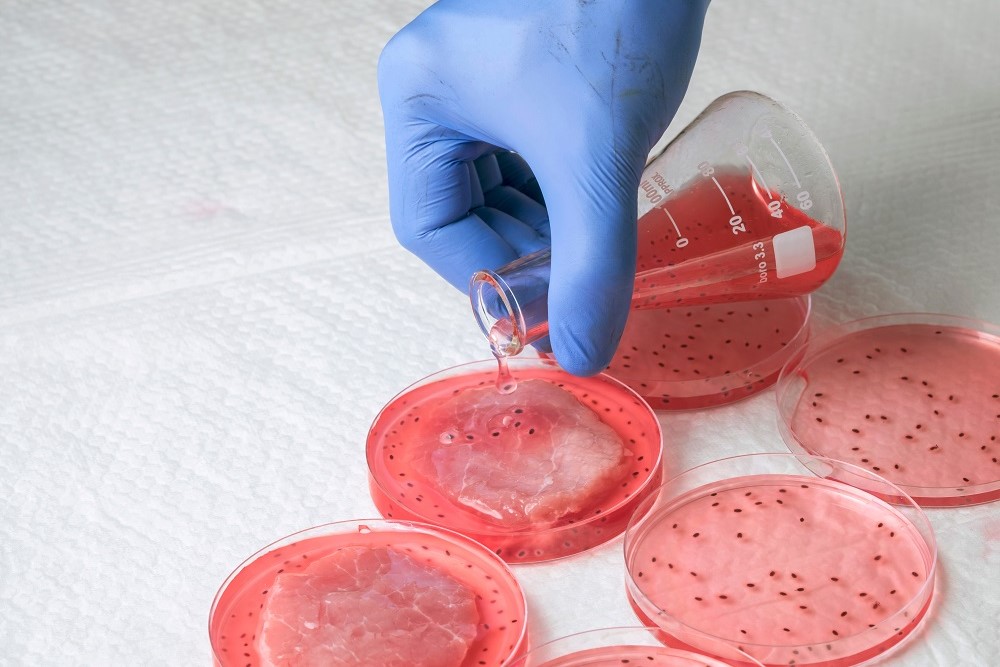
Fake meat is produced by extracting cells from animals and cultivating them in controlled environments, typically in large stainless-steel tanks known as bioreactors. Proponents say the technology could reduce the environmental footprint of traditional livestock production and address animal welfare concerns. But critics have raised questions about the cost, scalability and potential health implications of consuming products that have only recently entered the marketplace.
The U.S. Department of Agriculture and the Food and Drug Administration during the Biden administration approved the first lab-grown meat products for sale in the United States in 2023. Still, comprehensive long-term studies on human consumption have yet to be completed.
Florida is not alone in restricting the products. At least seven other states — including Indiana — have enacted similar bans, reflecting a widening divide between federal regulators who have allowed the products to move forward and state lawmakers who remain skeptical of their safety and consumer acceptance.
The decision is likely to intensify the legal and political battle over fake meat, as companies continue to push for broader access to U.S. markets while opponents — including farm groups — press for tighter restrictions or outright prohibitions.