

Farmer confidence ticked up modestly in February, helped by a more favorable view of current conditions even as worries about the year ahead deepened, according to the latest Purdue University/CME Group Ag Economy Barometer.
The closely watched monthly survey, conducted by the Purdue Center for Commercial Agriculture between Feb. 2–6, showed the overall barometer rising three points from January to 116. The gain was driven largely by an 11-point jump in the Current Conditions Index. But the Future Expectations Index slipped one point to its lowest level since September 2024 — a reading that stands 45 points below where it was a year ago.
The mixed results underscore a farm economy navigating short-term stabilization amid lingering financial strain and uncertainty about global markets.
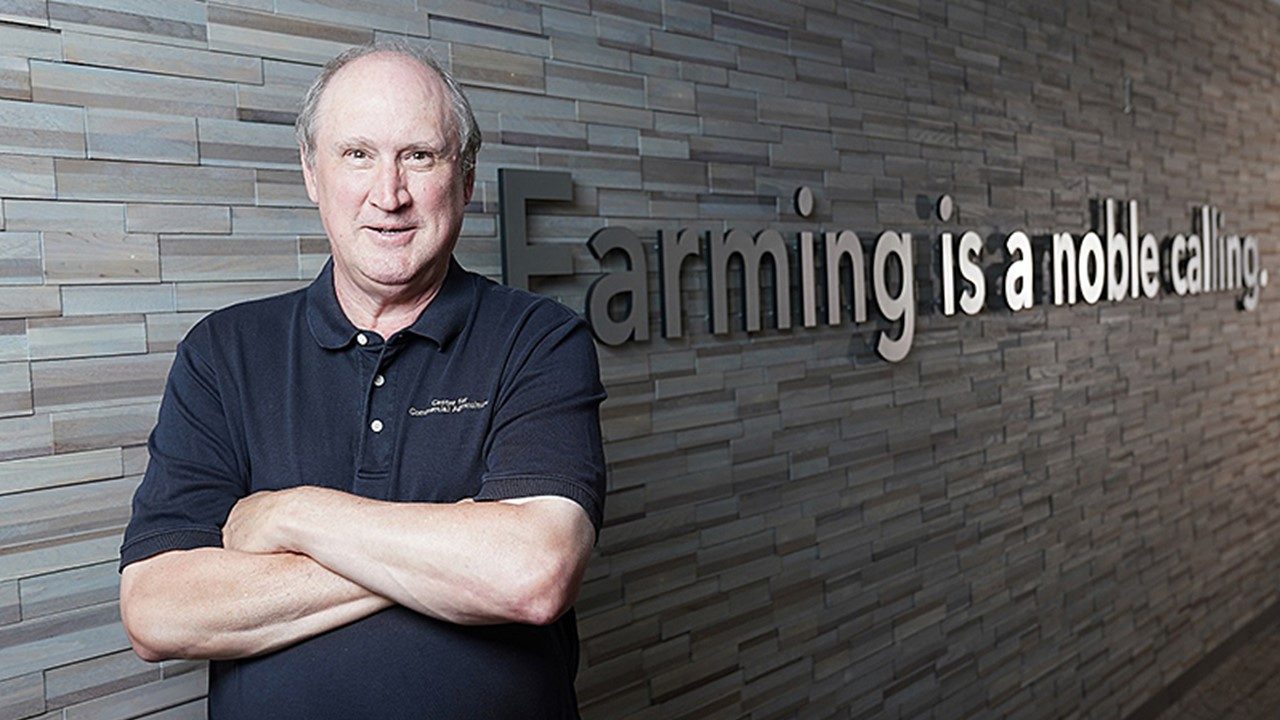
“Although producers reported stronger current conditions in February, the overall survey sentiment suggests farmers are carefully weighing short-term stability against longer-term uncertainty,” said Michael Langemeier, the barometer’s principal investigator and director of Purdue’s Center for Commercial Agriculture. He noted that many operations remain under more financial pressure than they were a year ago, shaping cautious investment decisions and a restrained outlook for the coming year.
Nearly 44 percent of farmers surveyed said their operations were worse off than a year earlier. Looking ahead, 29 percent expect their farm’s financial performance to deteriorate over the next 12 months, compared with 18 percent who foresee improvement.
Investment plans remain subdued. The Farm Capital Investment Index edged up three points to 50, but just 7 percent of respondents said they plan to increase farm machinery purchases in the coming year.
At the same time, longer-term ambitions appear more resilient. When asked about five-year growth plans — a question included in the February survey since 2016 — 51 percent of producers said they expect to expand their farms, including 14 percent who plan to grow by at least 10 percent. About 34 percent said they have no plans to expand, and 15 percent anticipate downsizing. More than a third of respondents said they intend to bring another family member into the business over the next five years, signaling continued focus on succession and generational transition.
Concerns about agricultural exports, which had spiked in January, eased slightly but remain elevated compared with late last year. Fourteen percent of respondents now expect U.S. agricultural exports to decline over the next five years, down from 16 percent in January but still far above the 5 percent who held that view in December.
Farmland values present another split picture. Farmers grew more optimistic about short-term land prices, with the Short-Term Farmland Value Expectations Index rising to 123 from 117 in January. But their long-run outlook continued to cool: the Long-Term Farmland Value Expectations Index fell to 150 in February, down from a record high of 166 in December. Respondents cited alternative investment opportunities, net farm income and interest rates as the most influential factors shaping land values.
The survey also examined how producers plan to use payments from the federal Farmer Bridge Assistance Program announced in late December. Nearly half — 47 percent — said they intend to use the funds to pay down debt, while 27 percent plan to bolster working capital. Smaller shares said the payments would go toward family living expenses (12 percent) or machinery purchases (14 percent).
Views on the broader U.S. economy softened slightly for a second consecutive month. Fifty-nine percent of respondents said the country is headed in the “right direction,” down from 62 percent in January.
Taken together, the results suggest a farm sector that sees signs of near-term steadiness but remains wary about longer-term profitability, trade prospects and the durability of land values — a cautious optimism tempered by unresolved headwinds.
Source: Purdue University Center for Commercial Agriculture